

Envío gratis de tu demo
SOLO PARA QUIENES ACUDIERON A CASTELLÓN THROWDOWN ENVIO GRATIS DE LA DEMO A TU CENTRO ADEMÁS, HASTA FIN DE MES OFERTA ESPECIAL LANZAMIENTO.
EQUIPA TU BOX CON LO ÚLTIMO.

“Driven by Bass” Plyometrics Workout (45 minutes)
Objective: Maximize reactive power, minimize support time, develop explosive speed and coordination.
Plyometric routine
PHASE 1 – NEUROMUSCULAR ACTIVATION (duration: 6 min)
- 20 slow jumping jacks
- 20 small bounces on the forefoot (feet parallel)
- 10 squats with heel bounce (not jumping)
- Medium Skipping (knees at 70%) 30 sec
- Pogo jumps (short hops, straight legs, ankle only) 30 sec
→ Repeat 2 rounds
- Dynamic lunges (no jump, quick change) 10 per leg
- Inchworms + push-up x 5
Side Carioca 2x20 meters (if there is space)
PHASE 2 – LIGHT REACTIVITY + RHYTHM (8 min)
Circuit: 3 rounds
- Drop jumps from low box (30–40 cm) → 5 reps
(Jumps from above and brakes quickly: reactive landing)
- Skater bounds → 10 per leg (lateral width with balance)
-
Pogo jumps + 1 high → 5 cycles (3 pogos + vertical high jump)
- Plank to squat jump → 8 reps (from plank, jump to squat)
☑️ Rest: 30 seconds between exercises, 1 minute between rounds
PHASE 3 – PEAK PLYOMETRIC POWER (15 min)
Explosive Superset (4 rounds)
- Depth jump + box jump (you fall + bounce to the box) → 5 reps
- Broad jump + bounce + quick kick → 4 reps
- Alternating plyometric lunge + front bounce → 8 per leg
- Plyometric push-up (hands off) → 10 reps
🔥 Elite Council:
Imagine the ground burning. Touch it and fly.
☑️ Rest: 1 minute between rounds. No more. Fatigue is part of the stimulus.
PHASE 4 – CONTROL & REACTIVE TECHNIQUE (6–8 min)
- Single leg cross jumps (one leg, jump in X on 4 marks)
→ 4 repetitions per leg
- Box jump with balance pause above
→ 6 reps (control work + landing)
Single-leg drop to balance (from step, drop and balance for 3 seconds) → 4 per leg
PHASE 5 – ACTIVE NEUROMUSCULAR UNLOADING (6–8 min)
- 5 min of fluid mobility (hips, ankles, scapulae)
- 10 square breaths (inhale – hold – exhale – hold)
- Active stretching with flow (like dynamic yoga)
- Open hips
- Glutes and femoral
- Sole of the foot and calves
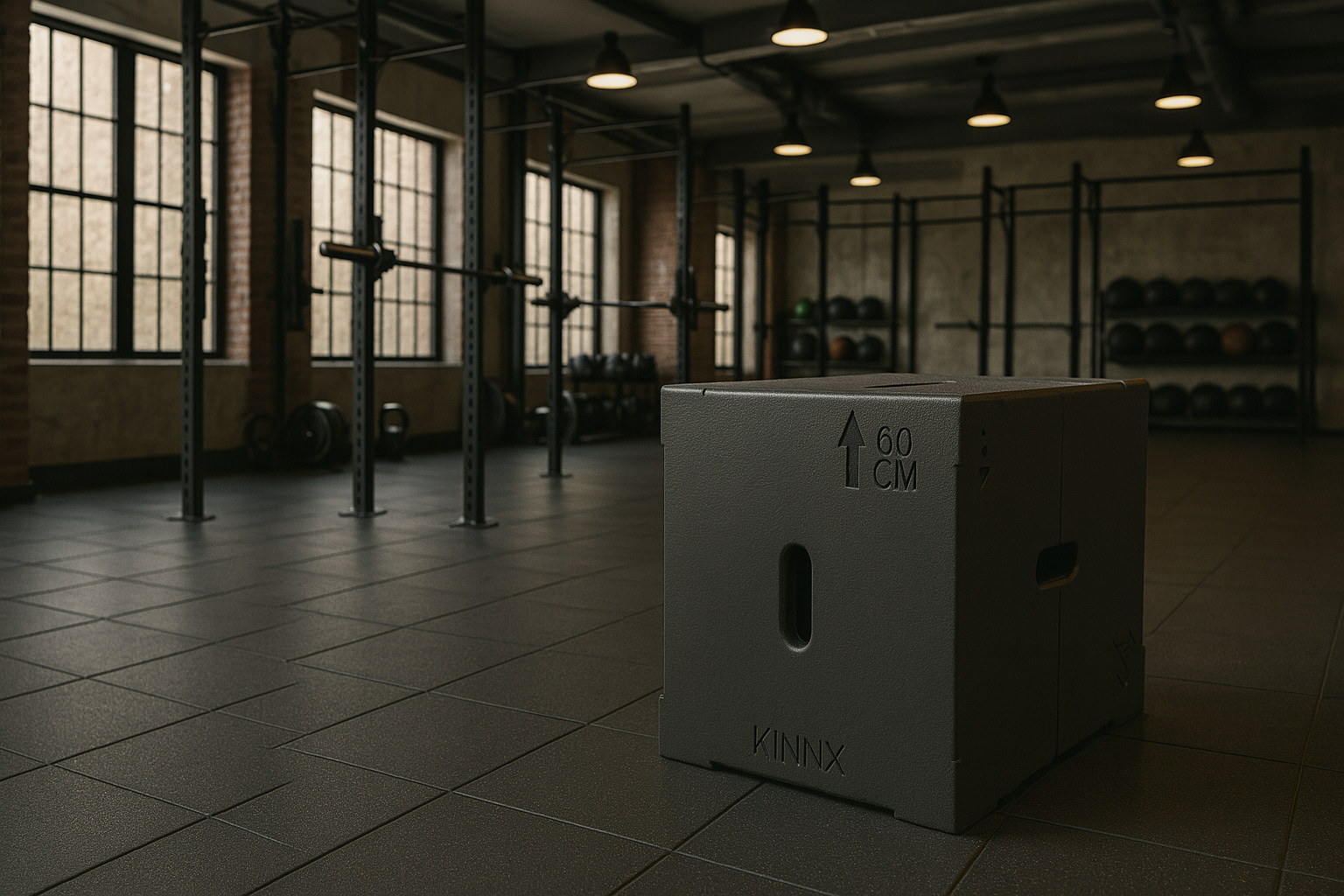
Try our drawer for 7 days, request your demo
Frequently Asked Questions about Plyometrics
What is plyometrics and what is it for?
Plyometrics is a training method based on fast, powerful movements that leverage the stretch-shortening cycle to generate strength and speed. It can improve athletic power, reactive strength, and reduce the risk of injury when applied correctly.
What are the benefits of plyometrics?
If you're wondering what plyometrics accomplishes, here's the answer:
- Increases power and explosive strength
- Improves neuromuscular efficiency
- Increases vertical jump height
- Improves acceleration and agility
- Improves bone density and intermuscular coordination
When is it advisable to do plyometrics?
Plyometrics are recommended when the athlete already has a solid strength base. It's ideal for specific stages of physical preparation (preseason or power phases) and for improving performance in explosive sports. Recommendation: The NSCA suggests incorporating it 2-3 times per week, with 48-72 hours of rest between intense sessions.
What happens if I do plyometrics every day?
Not recommended. Plyometrics generate high neuromuscular and joint stress. Overtraining can lead to fatigue, overuse injuries, and loss of performance. Recommendation: 2-3 sessions/week, with adequate recovery.
Also, if you're wondering , are 20 minutes of plyometric exercises enough?
Yes, if planned correctly. A 20-minute session can include a dynamic warm-up, 3-5 exercises with 3-4 sets each, focused on quality, not volume.
How long should you rest between plyometric sets?
For maximum power exercises, complete rest is recommended: 2-3 minutes between sets, with 5-10 repetitions per set. This ensures neuromuscular recovery (Chu & Myer, 2013).